Blue Springs auto repair
Domestic Car & Truck Repair in Blue Springs, MO
You drive a domestic vehicle and want local repair help that understands it.
When to call: If the vehicle feels unsafe, call before driving farther.
From worry to a repair decision
Start with what you notice, then get a clear inspection path.
Domestic repair coverage helps owners feel the shop is a fit for their vehicle. The page should route them toward the exact service concern rather than stay generic.
The best sales angle is fit: yes, this local shop can help with your vehicle and explain the next step.
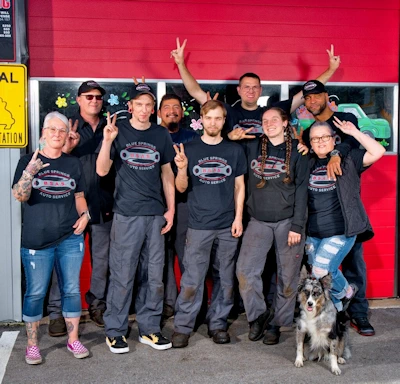
Local people, clear explanations, practical next steps.That is the trust customers are looking for before they call.
What you may notice
Call if any of these sound familiar.
- Maintenance, brakes, engine, transmission, or electrical needs
- Truck/SUV repair concerns
- Warning lights or driveability problems
- Routine service or larger repair decisions
Inspection before approval
What the shop may check.
- Service-specific inspection based on the concern
- Domestic vehicle repair experience and parts pathways
- Clear estimate before work begins
Questions before you call
Clear answers make the repair decision feel less stressful.
Can I call if I do not know the repair name?
Yes. Start with the symptom, warning light, sound, smell, leak, or change in how the vehicle feels.
Will the shop explain findings before repair decisions?
That is the promise this page should make clear: inspect first, explain what was found, then discuss practical next steps.
What should I say when I call?
Mention when it started, whether a warning light is on, and whether the vehicle feels safe to drive.
Still not sure what to do?
Call about domestic car & truck repair with the symptom you are noticing.
The safest next step is a direct conversation about what changed, how urgent it feels, and whether the vehicle should be driven.